


PetKart
3.118.00 Reviews
App Specs
- Version
- 1.2.3
- Updated On
- License
- Free
- Downloads
- 50,000+
- Developer
- ENSAPIA Corporation
- Categories
- Adventure
- Platform
- Android
Screenshots


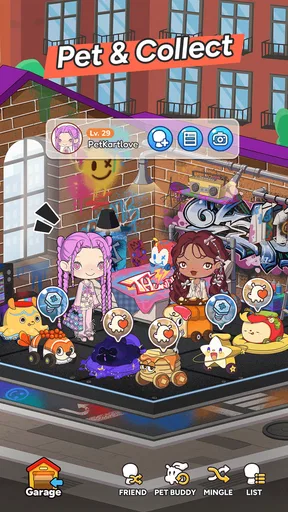
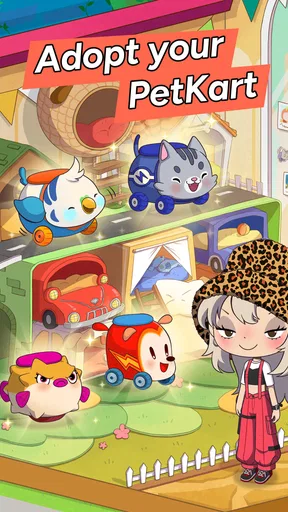
 Analysis by AppCompare
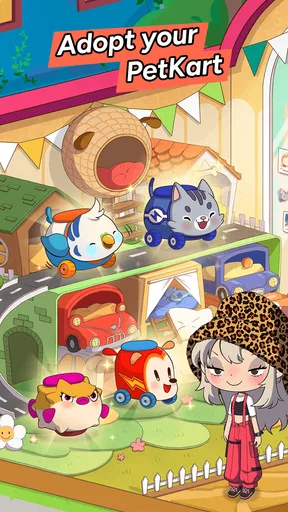
PetKart is an adventure game built around dressing up and spending time with pets, and I found its appeal easiest to understand when thinking about a shared device rather than a solo gaming session. It is the sort of title someone may open for a short, relaxed break, then show to a sibling, child, partner, or friend because the visual side is immediately approachable. The game is free to download, carries an Everyone age rating, and comes from ENSAPIA Corporation. Those details make it look suitable for a broad household audience, but “suitable for everyone” does not automatically mean that every part of the experience will work equally well for every player.
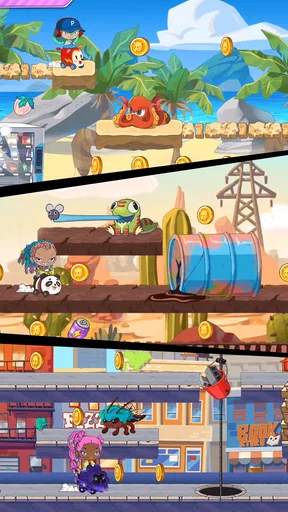
My overall impression is that PetKart sits between a casual dress-up toy and a light adventure game. The pet theme gives it a friendly entry point, while the adventure label suggests there is more to do than simply changing an outfit and closing the app. I would recommend trying it if you enjoy personalizing characters and prefer games that do not demand the intensity of a competitive action title. I would be more cautious if you want a deep story, a highly structured multiplayer experience, or a game where every household player can keep a clearly separate progression path.
How PetKart fits into a shared household
A realistic use case is a family tablet left in a common room. One person might dress a pet before school, another might explore later in the day, and an adult might check what the game is like before deciding whether it belongs on the device. PetKart’s central combination of pets, clothing, and adventure is well suited to this kind of passing-around play because people can discuss choices without needing to understand a complicated control scheme first.
That shared-device appeal has a practical trade-off. A game can be easy to show someone else while still being awkward when several people treat it as their own. If everyone uses the same local game space, changes may overlap, and a younger player may not know which actions affect the household’s ongoing progress. I would therefore treat PetKart as a game for taking turns, not as a guaranteed multi-user hub. Before handing over the device, I would agree on a simple rule: one person plays for a short session, then leaves the game in a recognizable state for the next person.
This matters especially with dress-up games. Clothing choices can feel personal even when they are only cosmetic, and a player who has carefully created a look may be disappointed if someone else changes it casually. My practical suggestion is to take a quick screenshot of a favorite outfit before experimenting. That gives a shared household a visual reference without assuming that the game offers separate wardrobes, profiles, or a restoration tool.
The adventure side also changes how I would organize turns. Rather than passing the device after every small choice, it is more comfortable to let one player finish a short activity or reach a natural stopping point. Constant interruptions can make exploration feel disjointed, while longer turns help each person remember what they were doing. If the game does not clearly separate players, a paper note beside the device can be surprisingly useful: write down whose turn it is and what they were trying to accomplish.
The strongest household use is cooperative decision-making around one screen, not assumed account sharing. A child can choose an outfit, an older sibling can help navigate, and an adult can decide whether an optional purchase is appropriate. That arrangement keeps the social part enjoyable while avoiding promises about family features that the game may not provide.
Worth Reading Before You Choose

EA SPORTS FC Mobile 26 Is a Bigger Football Game, but It Takes Time

Flipboard Shows What News Apps Must Do Beyond the Feed

Switching to Android Auto Means Rethinking Your Driving Routine

Google Calendar Makes a Crowded Week Easier to Manage

Ludo King Makes the Most of the Minutes Between Plans

Baby Panda World Brings Quick Play to Modern Phones, but Its Game Library Feels Busy
What to check before the first session
PetKart requires a minimum operating system of 12, so the first setup question is compatibility. On a shared device, this is more important than it sounds: an older tablet may be the one everyone expects to use, while a newer phone remains the only practical option. I would check the operating system before planning a family game night, particularly if the device has been kept for several years.
The current version is 1.2.2. I would make sure the installation has completed properly and then spend a few minutes opening the game alone before introducing it to younger players. That first inspection is not about hunting for hidden problems; it is about learning where the main menus are, how the dress-up flow works, and whether the game’s pacing fits the attention span of the people who will use it.
Because the game is free to download but includes in-app purchases ranging from $0.99 to $99.99 per item, setup boundaries deserve clear attention. I would not leave a payment method available for unrestricted use on a shared device. Instead, I would establish that any purchase requires an adult’s permission and that “free to start” does not mean every optional item is included. This is a household rule rather than a claim about a particular control inside the game, and it is the safest way to handle a title with such a wide purchase range.
For a child using a family phone, I would also separate playtime from browsing or messaging time. A game that is comfortable for a child to explore may still be installed beside unrelated personal information. Handing over the whole phone is different from handing over a dedicated tablet, so I would use the device’s normal operating-system boundaries where appropriate rather than assuming PetKart itself manages access between family members.
Another useful setup habit is to decide who owns the main play session. If the device belongs to an adult but the game is mainly for a child, the adult should be the person who understands the purchase situation and can explain what changes are okay. If several children share it, I would agree in advance whether changing an outfit counts as harmless experimentation or whether each player should preserve the previous person’s design.
Coordinating turns, choices, and expectations
PetKart works best in a household when players coordinate the creative parts instead of competing over them. One person can suggest a theme for a pet’s appearance, another can make the selections, and a third can guide the adventure portion. This gives the game a small social ritual without pretending that it is a full cooperative mode. I like this approach because it turns a potentially frustrating shared save into a conversation: everyone knows whether they are decorating, exploring, or simply watching.
A useful workflow is to divide sessions by purpose. The first session can be for learning the interface. A later session can focus on creating a favorite look. Another can be reserved for adventure progress. Keeping those goals separate reduces the chance that a player feels rushed and makes it easier to hand the device to someone else. It also helps an adult judge whether the game is holding attention because of genuine enjoyment or merely because the player is trying to find the next unlock or purchase.
If a household has more than one compatible device, I would avoid assuming that progress, outfits, or purchases move automatically between them. Unless the game clearly explains a shared account or synchronization method during use, treat each installation as its own play environment. That may sound conservative, but it prevents a child from expecting a design made on one device to appear on another and avoids accidental spending based on a misunderstanding.
For adults supervising a shared session, the most useful question is not “Is this game safe because it says Everyone?” but “Does this particular child understand what is happening on screen?” A younger player may recognize a cute pet and still not understand that a button can lead to a paid item. I would sit beside them during the first few sessions, explain the difference between selecting an item and buying an item, and let them know that asking before tapping is part of the household routine.
Older children and adults may find the same structure relaxing, but they are more likely to notice repetition or a lack of depth if they normally play larger adventure games. PetKart is better approached as a compact, accessible experience than as a replacement for a story-heavy role-playing game. That distinction helps prevent disappointment and makes its lighter approach feel intentional rather than incomplete.
Age, trust, and the limits of the Everyone label
The Everyone rating makes PetKart easier to consider for a mixed-age home, and the pet-focused presentation is naturally less intimidating than a combat-centered adventure. Still, age ratings describe broad suitability; they do not tell me whether every child will understand purchases, shared progress, or the difference between a cosmetic choice and a meaningful game action.
For a young child, I would start with supervised play and a short explanation of the household rules. I would show them which parts are simply choices and which parts should be left for an adult. I would also make it clear that changing a pet’s appearance can affect what the next person sees, even if the game itself does not treat that as a serious consequence.
Trust becomes more important when the device is shared by children with different levels of patience. One child may enjoy carefully coordinating an outfit, while another may tap quickly and move on. Neither approach is wrong, but they should not quietly overwrite each other’s expectations. A visible turn system, a saved screenshot, or a simple agreement about “look first, change later” can prevent arguments more effectively than relying on memory.
Adults should also consider whether the game’s purchase range fits the family’s habits. The lowest listed item price is small enough to seem harmless, but the upper end is substantial enough that casual tapping should never be treated as an acceptable risk. I would keep purchase authority with the person who manages the device and explain that free installation is not permission to spend.
The game has an average rating of 3.2 from around 68 ratings, with around 18 written reviews. I read that as a reason to keep expectations measured rather than as a final verdict. A smaller review pool can reflect a limited audience, mixed reactions, or simply a game that has not yet built a large public conversation. In practical terms, I would test it with the intended player instead of assuming that the pet theme alone guarantees a good fit.
Where it stands beside familiar alternatives
Compared with a pure dress-up app, PetKart has a broader promise because the pet styling is paired with adventure. That makes it a better choice for someone who wants a reason to return after creating an outfit. The compromise is that players seeking only fashion experimentation may find the adventure layer unnecessary, while players seeking a substantial quest may find the customization more central than the exploration.
Compared with a traditional adventure game, PetKart is more approachable and less demanding. I would choose it for a relaxed shared session, especially when players have different gaming abilities. I would choose a conventional adventure title instead when the priority is a strong narrative, complex progression, precise controls, or a large world that rewards long uninterrupted sessions.
It also differs from a competitive pet game. The appeal here is not something I would frame around defeating another household member. That is helpful for families who want to avoid arguments, but it may disappoint players who need rankings, direct matches, or a strong sense of mastery. PetKart’s likely strength is personal expression combined with light exploration, not high-pressure competition.
For a shared device, I prefer this gentler structure to a game that constantly demands fast reactions. A child and an adult can discuss choices at their own pace, and a less experienced player can participate without being embarrassed by a skilled one. The limitation is that the game may feel less rewarding to someone who wants every session to produce a clear competitive result.
Who should install it, and who should pass
I would suggest PetKart to players who enjoy pets, visual customization, and short adventure sessions. It is especially worth considering for a household that wants a friendly game to explore together on a compatible device, provided everyone understands how turns and purchases will be handled. The free entry point makes trying it straightforward, and the Everyone rating removes one obvious barrier for mixed-age use.
I would hesitate to recommend it to someone who wants a private, carefully separated profile for every family member. Shared-device players should first determine whether the game’s own structure supports the way they intend to use it. If separate ownership of outfits and progress is essential, a game designed around individual accounts or clearly defined profiles may be a better match.
I would also steer serious adventure fans toward a deeper alternative if they need complex objectives, a developed story, or long-term challenge. PetKart’s charm is its approachable blend of pets and dressing up; asking it to serve as a full-scale adventure epic would create the wrong expectations. Likewise, players who dislike optional purchases should inspect the in-game flow before committing time, even though downloading it costs nothing.
My household verdict after weighing the trade-offs
PetKart makes the most sense as a welcoming, shared-screen adventure with a strong dress-up identity. I like that its concept can bring different ages into the same conversation: one person can care about the pet’s appearance, another can be interested in exploring, and an adult can help keep the session organized. That flexibility is more valuable in a household than a feature list that looks impressive but is difficult to share.
My recommendation comes with boundaries. Confirm that the device meets the operating-system requirement, supervise the first sessions with younger players, and keep control of purchases. Do not assume that a shared installation automatically means separate family spaces, and do not let the Everyone rating replace ordinary judgment about a child’s understanding of spending and turn-taking.
With those expectations in place, I think PetKart is worth trying for families and casual players who want a soft, creative alternative to intense adventure games. Its current audience is still modest, with over 50 thousand installs, so I would approach it as a developing title rather than a universally established favorite. For me, that makes the decision simple: install it when the household wants a pet-centered game for relaxed collaboration, but choose another option when account separation, deep adventure systems, or competitive structure matter more than easy shared play.
Pros
- Conveniently browse pet products from your phone.
- Product categories make shopping easier to navigate.
- Useful for comparing pet-care items in one place.
- Can help save time versus visiting multiple stores.
- Suitable for regular pet-supply shopping needs.
Cons
- Product availability may vary by location.
- Delivery times can differ between orders.
- Some items may be priced higher than local alternatives.
- The app may offer limited support for unusual pets.
- A stable internet connection is needed for browsing and ordering.
FAQs for PetKart
What is PetKart, and what can I use it for?
PetKart is a pet-focused shopping and service application designed to help owners find products and essentials for their animals in one place. Depending on your location, you may be able to browse food, treats, toys, grooming supplies, accessories, and other pet-care items. Before downloading, check whether the app supports deliveries and services in your area, since available categories, sellers, and features can vary by region.
Does PetKart support different types of pets and specialized products?
PetKart is primarily intended for everyday pet-care shopping, but its selection may include products for dogs, cats, birds, fish, and other animals. The exact range depends on the local catalog and participating vendors. Users with pets requiring special diets, prescription food, medical products, or breed-specific accessories should carefully read product descriptions and confirm availability before placing an order.
Can I order pet products for home delivery through PetKart?
PetKart may allow users to order selected pet products for delivery, making it convenient to restock food, litter, treats, toys, and other supplies without visiting a physical store. Delivery areas, fees, minimum order values, estimated arrival times, and same-day options can differ by location. Review the checkout information carefully, especially for urgent or temperature-sensitive pet products.
Is PetKart safe to use for payments and personal information?
As with any shopping application, PetKart may require personal details such as your name, address, phone number, and payment information to process orders. Before using the app, review its privacy policy, payment options, permissions, and account-security features. Use a strong password, avoid sharing verification codes, and contact official support promptly if you notice an unfamiliar charge or account activity.
What should I check before downloading and using PetKart?
Before downloading PetKart, confirm that your device meets the app’s operating requirements and that the service is available in your country or city. You should also check recent user reviews, delivery coverage, return and refund rules, seller reliability, subscription terms if offered, and customer-support options. These details can affect the overall experience, particularly when ordering essential food or health-related pet supplies.


